
Provigil vs Adderall Understanding the Key Differences for Focus and Wakefulness
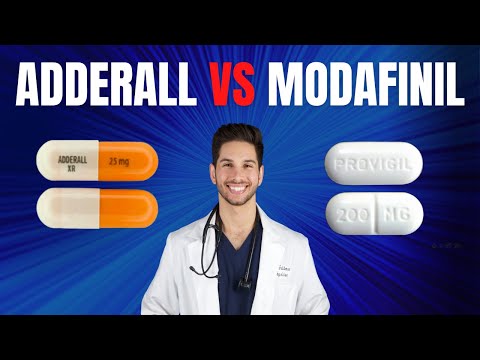
When comparing Provigil vs Adderall, the primary distinction lies in their mechanisms and intended uses: Provigil (modafinil) promotes wakefulness for sleep disorders, while Adderall (amphetamine) is a stimulant prescribed for ADHD. Both enhance focus and energy, but Adderall carries a higher potential for abuse and side effects like jitters, whereas Provigil offers a subtler, longer-lasting alertness with fewer euphoric effects. Choosing between them depends on your medical needs, from excessive daytime sleepiness to attention deficits.
Provigil vs Adderall: Mechanism of Action
Provigil and Adderall, while both used to enhance wakefulness, operate through fundamentally distinct mechanisms. Adderall, a potent amphetamine, acts as a powerful psychostimulant for ADHD by flooding the brain with dopamine and norepinephrine, forcing a state of heightened focus and energy. Conversely, Provigil is a eugeroic, designed to promote alertness without the same level of dopaminergic saturation; its exact action is complex but primarily involves inhibiting the reuptake of dopamine in a targeted, weaker manner. This subtle difference means Adderall delivers an intense, often jarring jolt of stimulation, whereas Provigil offers a smoother, more sustainable cognitive lift with significantly reduced potential for abuse.
The critical distinction lies in the brain’s reward pathway: Adderall hijacks it directly, while Provigil only subtly taps it, creating a less euphoric but more controlled alertness.
For those seeking a non-amphetamine alternative, Provigil’s gentle modulation of orexin and histamine systems provides a dynamism that avoids the crash commonly associated with Adderall’s aggressive mechanism, making it a uniquely targeted tool for disorders like narcolepsy or shift work sleep disorder.
Provigil (Modafinil) as a wakefulness-promoting agent
Provigil (modafinil) and Adderall (amphetamine salts) differ fundamentally in their mechanism of action. Adderall primarily functions as a CNS stimulant that boosts dopamine and norepinephrine by blocking their reuptake and increasing their release, leading to heightened alertness and focus. In contrast, Provigil’s exact mechanism is not fully understood, but it is thought to influence dopamine reuptake inhibition with a weaker, more targeted effect on the brain’s wakefulness centers, without the widespread sympathomimetic activity of amphetamines.
Key differences in their action include:
- Dopamine affinity: Adderall strongly increases dopamine in the nucleus accumbens, associated with euphoria and abuse potential, while Provigil has a lower affinity and slower reuptake blockade.
- Norepinephrine release: Adderall significantly raises norepinephrine levels, causing peripheral side effects like increased heart rate and blood pressure, whereas Provigil has minimal direct effect on norepinephrine.
- Wakefulness pathways: Provigil targets the hypocretin/orexin system and histaminergic neurons in the hypothalamus, promoting alertness without the same degree of overstimulation or dependency risk seen with Adderall.
Adderall (Amphetamine/Dextroamphetamine) as a CNS stimulant
Provigil (modafinil) and Adderall (amphetamine salts) target wakefulness through fundamentally different mechanisms of action. Adderall floods the brain with dopamine and norepinephrine by blocking their reuptake and reversing transporter activity, creating a powerful, euphoric surge that fuels hyperfocus but risks addiction. Provigil, by contrast, acts more subtly—it inhibits dopamine reuptake only in specific brain regions, while also modulating orexin and histamine pathways, promoting calm alertness without the jittery crash. The result is a gentler, more sustainable vigilance.
“Provigil sharpens the mind without setting it on fire.”
This distinction explains why Adderall feels like a sprint for focus, whereas Provigil offers a marathon of clarity with fewer side effects.
Dopamine reuptake inhibition in Provigil
Provigil (modafinil) and Adderall (amphetamine salts) both enhance wakefulness but through fundamentally different mechanisms. Adderall functions primarily as a **norepinephrine-dopamine reuptake inhibitor and releaser**, flooding the synapse with these neurotransmitters to drive intense focus and energy. In contrast, Provigil’s precise action remains debated, but it is believed to inhibit dopamine reuptake more selectively, with additional effects on orexin and histamine pathways in the hypothalamus. This difference explains Adderall’s higher potential for abuse and cardiovascular strain. Provigil typically promotes alertness without the pronounced euphoria or crash associated with amphetamines. Ultimately, Adderall delivers a powerful, broad-spectrum stimulant effect, while Provigil offers a more subtle, targeted cognitive uplift—ideal for conditions like narcolepsy where hyperactivity is not required.
Dopamine and norepinephrine release in Adderall
Provigil (modafinil) vs. Adderall (amphetamine salts) differ fundamentally in their mechanisms of action. Provigil primarily promotes wakefulness by inhibiting the reuptake of dopamine in the brain, though its effects are weaker and more selective than traditional stimulants. Adderall, conversely, works by both blocking the reuptake and increasing the release of dopamine and norepinephrine, producing a more robust and immediate stimulant response. This variance in neurochemical pathways leads to distinct clinical profiles: Provigil is often preferred for shift work sleep disorder or narcolepsy due to a lower abuse potential and less pronounced euphoria, while Adderall is typically prescribed for ADHD where its potent catecholamine surge improves focus and attention. The two agents are not interchangeable, and selection should be guided by specific diagnostic needs and risk assessment.
Provigil vs Adderall: Approved Uses
Provigil (modafinil) and Adderall (amphetamine salts) serve fundamentally different approved medical purposes, a distinction that shapes their legal and clinical roles. Adderall is primarily approved for **Attention Deficit Hyperactivity Disorder (ADHD)** and narcolepsy, functioning as a potent stimulant that boosts dopamine and norepinephrine to enhance focus and impulse control. In contrast, Provigil is exclusively approved for **shift work sleep disorder**, narcolepsy, and obstructive sleep apnea—conditions rooted in excessive daytime sleepiness rather than inattention. Its mechanism targets the brain’s wakefulness centers without the heavy reward pathway activation seen with Adderall. While both drugs elevate alertness, only Adderall carries FDA approval for chronic cognitive impairment in children and adults with ADHD, whereas Provigil remains off-label for that purpose. This divergence means Adderall is more tightly regulated as a Schedule II controlled substance, while Provigil is a Schedule IV, reflecting lower abuse potential.
Provigil for narcolepsy, shift work disorder, and obstructive sleep apnea
Provigil (modafinil) and Adderall (amphetamine salts) serve distinctly different approved purposes in medicine. Provigil is FDA-approved primarily for shift work sleep disorder, narcolepsy, and obstructive sleep apnea, targeting excessive daytime sleepiness without the classic stimulant high. Adderall, by contrast, is legally prescribed for attention deficit hyperactivity disorder (ADHD) and narcolepsy, directly enhancing dopamine and norepinephrine to improve focus and impulse control. This difference matters: Provigil promotes wakefulness in circadian disruptions, while Adderall manages chronic inattention. Key distinctions include:
- Provigil: No approved ADHD indication; off-label use exists but is less common.
- Adderall: Not FDA-approved for sleep disorders beyond narcolepsy.
- Both treat narcolepsy but via different mechanisms—Provigil as a eugeroic, Adderall as a traditional stimulant.
Understanding these boundaries ensures safe, effective treatment choices.
Adderall for ADHD and narcolepsy
Provigil (modafinil) and Adderall (amphetamine) are both stimulants, but their FDA-approved uses are quite different. Provigil is approved for sleep-related disorders, while Adderall targets ADHD and narcolepsy. Specifically, Provigil is prescribed to treat excessive sleepiness caused by narcolepsy, obstructive sleep apnea (as an add-on therapy), and shift work disorder. Adderall, on the other hand, is approved for Attention Deficit Hyperactivity Disorder (ADHD) and narcolepsy. It’s not typically used for sleep apnea or shift work.
The key takeaway: Provigil wakes you up from sleep disorders; Adderall focuses on focus and impulse control.
- Provigil: Narcolepsy, sleep apnea, shift work disorder
- Adderall: ADHD, narcolepsy
Off-label use disparities

Provigil (modafinil) is FDA-approved for treating excessive daytime sleepiness caused by narcolepsy, obstructive sleep apnea, and shift work disorder, functioning as a wakefulness-promoting agent without the amphetamine-like structure. Adderall (amphetamine/dextroamphetamine) is approved for managing Attention Deficit Hyperactivity Disorder (ADHD) and treating narcolepsy, acting as a central nervous system stimulant to increase focus and impulse control. A key difference is that Provigil targets sleepiness disorders, while Adderall treats ADHD and narcolepsy. Adderall is also used for treatment-resistant cases, whereas Provigil is not FDA-approved for ADHD. Their approved uses are distinct and do not overlap for most patients, with Provigil focusing on wakefulness and Adderall on cognitive and behavioral regulation.
Provigil vs Adderall: Onset and Duration of Action
The distinction between Provigil and Adderall becomes most clinically relevant when comparing their onset and duration of action. Adderall, an amphetamine-based stimulant, typically demonstrates a rapid onset within 30 to 60 minutes, with its immediate-release formulation peaking around 1 to 3 hours and lasting approximately 4 to 6 hours. In contrast, Provigil (modafinil) has a slower, more gradual onset, often taking 1 to 2 hours to reach full effect, but offers a notably extended duration of 10 to 12 hours due to its 15-hour half-life. For patients seeking sustained daytime wakefulness without the abrupt crash associated with Adderall, Provigil’s prolonged action provides a smoother profile. However, if rapid, intense focus is required for shorter tasks, Adderall’s quicker onset may be preferable. Always consider individual neurochemistry, as these timing variations in cognitive enhancement directly influence productivity and sleep quality.
Provigil: gradual onset, long half-life (12-15 hours)
When comparing Provigil vs Adderall onset and duration of action, the differences are stark and dictate clinical use. Provigil (modafinil) typically begins working within 30–60 minutes, with peak effects felt around 2–4 hours, and its long half-life sustains wakefulness for 10–12 hours, often without the sharp crash. Adderall (amphetamine salts) acts faster, often within 20–30 minutes, but its duration is shorter—around 4–6 hours for immediate-release and up to 8–12 hours for extended-release, followed by a noticeable comedown. This makes Provigil a smoother, longer-lasting choice for shift-work sleepiness, while Adderall’s rapid, intense boost suits ADHD but risks overstimulation.
- Provigil: Onset 30–60 min, peak 2–4 hr, total duration 10–12 hr, gradual decline.
- Adderall IR: Onset 20–30 min, peak 1–3 hr, total duration 4–6 hr, sharper drop-off.
- Adderall XR: Onset 30–60 min, dual peak 2–4 and 6–8 hr, total duration 8–12 hr, moderate comedown.
Q&A: Which lasts longer? Provigil generally provides sustained wakefulness for a full workday without the rebound fatigue common with Adderall. Does faster onset mean better? Not always—Adderall’s speed can trigger anxiety, while Provigil’s slower ramp-up lowers abuse potential.
Adderall: rapid onset, short half-life (4-6 hours for immediate-release, 10-12 hours for extended-release)
When comparing Provigil vs Adderall onset and duration of action, the key difference is how fast and how long each works. Adderall, an amphetamine, hits the system quickly—typically within 30 to 60 minutes—and its effects last about 4 to 6 hours for the immediate-release version, with the extended-release formula lasting up to 12 hours. It offers a sharp, energetic kick, but can lead to a noticeable crash as it wears off. Provigil (modafinil) takes a bit longer to kick in, around 1 to 2 hours, but provides a much smoother, sustained wakefulness that can last 12 to 15 hours. It avoids the hard jolt and subsequent slump, making it a gentler option for all-day focus without the intense peak-and-valley effect.
Provigil vs Adderall: Side Effect Profiles
When comparing Provigil and Adderall side effect profiles, the contrast is stark yet nuanced. Provigil (modafinil), designed for shift work sleep disorder and narcolepsy, typically induces a “cleaner” experience, with common but manageable issues like headache, nausea, or anxiety. Its risk of jitteriness or cardiovascular strain is markedly lower, making it a go-to for sustained, non-jarring alertness. Adderall (amphetamine salts), a powerhouse for ADHD, offers intense focus but at a cost: appetite suppression, insomnia, increased heart rate, and potential mood swings or irritability. While both can cause dry mouth and dizziness, Adderall carries a higher addiction liability and abrupt comedown effects. Choosing between them means weighing Provigil’s moderate, steady wakefulness against Adderall’s high-octane cognitive boost with more pronounced physical and emotional side effects. Ultimately, your chemistry dictates the trade-off.
Common side effects of Provigil: headache, nausea, anxiety, insomnia, dry mouth
Provigil (modafinil) and Adderall (amphetamine) have distinct side effect profiles, primarily due to their differing mechanisms of action. Provigil side effects are generally considered less severe, with common issues including headache, nausea, dizziness, and insomnia. In contrast, Adderall’s amphetamine base carries a higher risk of cardiovascular effects like elevated heart rate and blood pressure, as well as pronounced anxiety, appetite suppression, and potential for dependence. A comparative list highlights key differences:
- Provigil: Lower abuse potential, fewer cardiovascular concerns, risk of rash (rare but serious).
- Adderall: Higher abuse liability, significant appetite loss, insomnia, and risk of tachycardia.
Both can cause insomnia, but Adderall is more associated with jitteriness and mood swings. Provigil’s profile is often preferred for long-term daily use, while Adderall’s requires closer monitoring due to its stimulant nature.
Common side effects of Adderall: appetite suppression, insomnia, increased heart rate, jitteriness
When weighing Provigil vs Adderall side effect profiles, the differences are stark. Provigil (modafinil) generally offers a lighter side-effect load, with common issues like mild headaches, nausea, and insomnia—often manageable by adjusting dose timing. Adderall (amphetamine salts) packs a much punchier, stimulant-heavy profile, frequently causing jitteriness, appetite suppression, and a pronounced crash. While both can elevate anxiety, Adderall’s risk of cardiovascular strain and potential for dependence is significantly higher. Crucially, Provigil seldom triggers euphoria or abuse, making it a steadier choice for longer-term use, whereas Adderall’s intense focus often comes with a steeper price in sleep and mood volatility.
Serious risks: Provigil (Stevens-Johnson syndrome, psychiatric symptoms) vs Adderall (cardiovascular events, dependence)
Provigil vs Adderall: Side Effect Profiles differ significantly in their severity and frequency. Provigil (modafinil) typically causes milder side effects such as headache, nausea, nervousness, and insomnia, with a lower risk of cardiovascular strain. Adderall (amphetamine/dextroamphetamine) is more likely to produce appetite suppression, weight loss, increased heart rate, elevated blood pressure, and a higher potential for anxiety or agitation. Withdrawal from Adderall can also lead to fatigue and depression, while Provigil has a lower abuse liability.
- Common: Both can cause insomnia and decreased appetite, but Provigil is less pronounced.
- Serious: Adderall carries risks of cardiac events and dependence; Provigil may cause rare skin reactions (e.g., Stevens-Johnson syndrome).
Q: Which has a safer long-term side effect profile?
A: Provigil is generally considered safer for extended use due to fewer cardiovascular and dependency risks, though both require medical oversight.
Provigil vs Adderall: Cognitive Enhancement
For cognitive enhancement, Adderall and Provigil serve distinct neurochemical masters. Adderall, a powerful amphetamine, delivers an intense, driven focus by flooding the brain with dopamine and norepinephrine, but this comes with a steep price: significant crash, anxiety, and a high potential for dependency, making it a blunt instrument for sustained intellectual work. In contrast, Provigil (modafinil) is a sophisticated awakeness-promoting agent that targets the hypocretin system, offering a clean, steady, and anxiety-free alertness that feels more like natural wakefulness. While Adderall can feel like a hired mercenary demanding harsh terms, Provigil performs as a loyal, side-effect-minimized partner, sustaining cognitive clarity for 12 hours without the jitters or euphoric comedown. For professionals and academics seeking reliable, long-term productivity without the metabolic toll of stimulants, Provigil represents the superior, more prudent choice for true cognitive enhancement.
Provigil: improved alertness, focus, and executive function in sleep-deprived individuals
When comparing Provigil for cognitive enhancement, the core distinction lies in focus versus wakefulness. Adderall, a stimulant, boosts dopamine, driving intense concentration and euphoria but often with crashes and high abuse potential. Provigil (modafinil) promotes alertness via histamine pathways, offering clean, sustained mental clarity without jitters. Users report fewer side effects like appetite loss or insomnia with Provigil, making it ideal for long study sessions. Adderall excels for high-pressure tasks needing aggression, while Provigil is preferred for subtle, all-day productivity without a “high.” Both require prescriptions for off-label use.
- Adderall: Faster onset, stronger focus, higher addiction risk, shorter duration.
- Provigil: Longer half-life, smoother energy, less euphoria, fewer side effects.
Q: Which is safer for daily cognitive work?
A: Provigil is generally considered safer with lower dependency risk, but Adderall may be prescribed for diagnosed ADHD. Always consult a doctor.
Adderall: enhanced concentration, memory, and task-switching in ADHD and off-label use
When comparing Provigil vs Adderall for cognitive enhancement, the core difference lies in mechanism and side-effect profile. Provigil (modafinil) promotes wakefulness by targeting dopamine reuptake with minimal euphoria, making it ideal for sustained focus without jitters. Adderall (amphetamine salts) offers aggressive stimulation, boosting both concentration and motivation but often at the cost of anxiety and crash. For high-stakes tasks requiring calm clarity, Provigil wins; for creative or physically demanding work, Adderall’s drive may be preferable.
Provigil sharpens the mind without lighting the fuse—Adderall ignites it.
- Provigil: Fewer cardiovascular side effects, no prescription dependency
- Adderall: Stronger immediate focus, but higher abuse potential
- Best use: Provigil for long study sessions; Adderall for short bursts of intense output
Comparative efficacy in healthy populations
Provigil and Adderall for cognitive enhancement differ fundamentally in mechanism and user experience. Provigil (modafinil) promotes wakefulness by subtly elevating histamine and orexin levels, providing a clean, sustained focus without the jitters or euphoric highs. This makes it ideal for extended, detail-oriented tasks requiring mental clarity. Adderall (amphetamine) floods the brain with dopamine, delivering an intense sharpness and motivation spike, but carries a higher risk of anxiety, appetite suppression, and comedown. For productivity without the crash, Provigil is the superior, safer choice; Adderall is better for short bursts of demanding work but demands caution with tolerance and schedule control.
Provigil vs Adderall: Potential for Abuse and Dependence
When comparing potential for abuse and dependence, Adderall carries a significantly higher risk than Provigil. As an amphetamine, Adderall directly floods the brain with dopamine, creating a potent euphoria that drives psychological addiction and requires escalating doses for the same effect. Its Schedule II classification highlights this serious abuse liability. Provigil, while not non-addictive, has a much lower affinity for dopamine receptors, producing wakefulness without intense reward signals. Users rarely report the compulsive redosing or withdrawal symptoms—like depression and extreme fatigue—commonly seen with Adderall cessation. For managing narcolepsy or shift work without the high danger of misuse, Provigil is often the safer option, though it still warrants careful medical supervision to avoid subtle forms of dependence over prolonged use.

Adderall: high abuse potential, schedule II controlled substance
The sharp tap of a morning coffee mug against the countertop once marked the start of Brad’s workday, but that habit quickly shifted to the bitter taste of crushed Adderall. He chased its euphoric rush, feeling invincible until the afternoon crash hit, followed by the insatiable need for another dose. This is the classic trap of high abuse potential with Adderall. As a Schedule II amphetamine, it directly floods the brain with dopamine, creating a powerful, fast-acting high that rapidly builds tolerance. Users like Brad often find themselves chasing that initial focus, escalating doses and sliding into psychological dependence within weeks. Ditching Adderall cold turkey leads to crushing depression and fatigue. In contrast, Provigil (modafinil) operates more subtly, boosting histamine. While it carries a known risk for dependence in those with a history of addiction, its mechanism lacks the euphoric “rush,” making compulsive redosing far less common. For Brad, the choice isn’t just about focus; it’s about which chemical leash he can live with.
Provigil: low abuse potential, schedule IV controlled substance
When comparing Provigil (modafinil) to Adderall (amphetamine salts), the potential for abuse and dependence is significantly lower with Provigil, making it a less risky option for cognitive enhancement. Adderall acts as a powerful CNS stimulant, directly increasing dopamine levels in a manner similar to addictive substances, leading to a high potential for psychological dependence, tolerance, and withdrawal symptoms such as fatigue and depression. In contrast, Provigil primarily promotes wakefulness through histamine and orexin pathways, offering a lower euphoric effect and thus a reduced abuse liability. However, both drugs can be habit-forming, especially at higher doses. Compare treatment approaches for dependence between these medications is crucial for safe prescribing.
- Provigil: Low abuse potential, minimal withdrawal, but can lead to psychological dependency if used long-term.
- Adderall: High abuse potential, strong tolerance buildup, and well-documented withdrawal syndrome (e.g., mood crashes, lethargy).
Q: Can I develop an addiction to Provigil if I take it daily?
A: While less addictive than Adderall, daily use of Provigil can still foster psychological reliance and diminished tolerance over time, especially without medical supervision. Q: What is the key warning sign for dependence on these drugs?
A: For Adderall, escalating dosage to achieve the same effect or using it recreationally for a “high” signals risk. For Provigil, using it to compensate for sleep deprivation rather than treating a diagnosed condition.

Mechanisms underlying addiction risk
Provigil vs Adderall: potential for abuse and dependence differs dramatically, with clinical evidence clearly favoring Provigil’s safer profile. Adderall, a Schedule II amphetamine, carries a high risk of psychological dependence and euphoria-driven abuse, often leading to escalating doses and withdrawal symptoms like fatigue and depression. In contrast, Provigil (modafinil) is Schedule IV, with a significantly lower abuse liability; it does not produce the same intense dopamine surge, making compulsive redosing rare. While both can cause tolerance, Provigil’s mechanism reduces cravings, whereas Adderall frequently requires medical tapering to avoid crash-related relapse. For patients and prescribers concerned about addiction pathways, Provigil is the markedly safer long-term choice.
- Schedule Classification: Adderall (II) vs. Provigil (IV) – lower regulatory status reflects lower risk.
- Euphoria Potential: Adderall high; Provigil minimal.
- Withdrawal Severity: Adderall significant; Provigil mild or absent.
- Clinical Preference: Provigil recommended when dependence history exists.
Provigil vs Adderall: Drug Interactions
When considering Provigil vs Adderall drug interactions, the safety profiles diverge significantly due to their distinct mechanisms. Adderall, a potent amphetamine, poses a high risk of dangerous interactions with MAO inhibitors, anticoagulants, and blood pressure medications, potentially causing hypertensive crises or cardiovascular strain. In contrast, Provigil (modafinil) has a far cleaner interaction profile, though it notably reduces the effectiveness of hormonal contraceptives and can affect certain antidepressants or blood thinners like warfarin. Crucially, because Provigil does not flood the brain with dopamine like an amphetamine, it avoids the severe synergistic risks seen when Adderall is combined with other stimulants or heart medications. This makes Provigil a markedly safer choice for patients on complex pharmaceutical regimens, particularly those involving cardiac or Diazepam vs Zopiclone psychiatric drugs. For anyone managing polypharmacy, Provigil’s lower interaction burden is a definitive advantage, reducing the likelihood of adverse events while still providing effective wakefulness promotion.
CYP3A4 inhibition with Provigil
When comparing Provigil vs Adderall for drug interactions, the critical difference lies in their enzyme pathways. Provigil and Adderall drug interactions can amplify cardiovascular risks. Adderall, a sympathomimetic amine, dangerously potentiates MAOIs, potentially causing hypertensive crisis, and interacts with SSRIs or SNRIs to heighten serotonin syndrome risk. Provigil, a eugeroic, weakly induces CYP3A4, reducing the efficacy of oral contraceptives and certain antivirals. Both drugs contraindicate with anticoagulants like warfarin due to altered metabolism. Specifically with MAOIs, Adderall requires a 14-day washout period, while Provigil demands caution.
Key interaction differences:
- Adderall: Avoid MAOIs, SSRIs, SNRIs; reduce antacids (increase absorption).
- Provigil: Check oral contraceptive efficacy; avoid alcohol due to CNS depression.
- Both: Monitor blood pressure with antihypertensives; avoid caffeine hyperplasia.
MAOI, anticoagulant, and tricyclic antidepressant interactions with Adderall
When comparing Provigil vs Adderall regarding drug interactions, both stimulants pose distinct risks when combined with other medications. Provigil and Adderall interact differently with anticoagulants and antidepressants, demanding careful monitoring. Provigil (modafinil) can reduce the effectiveness of hormonal birth control and increase metabolism of certain drugs like cyclosporine and warfarin. Adderall (amphetamine) dangerously amplifies the effects of MAOIs, potentially triggering hypertensive crises. Key interactions to watch include:
- MAOIs: Avoid with both, but Adderall carries a higher risk of severe blood pressure spikes.
- Antidepressants: SSRIs with Adderall may heighten serotonin syndrome risk; Provigil has a lower, but present, interaction.
- Blood thinners: Provigil can decrease warfarin effectiveness, while Adderall may indirectly affect clotting through appetite suppression.
Always check for compounding effects if combining these drugs with antihistamines or antihypertensives, as Adderall can mask sedative effects while Provigil may alter heart medication levels.
Concurrent use of other stimulants or caffeine
When comparing Provigil (modafinil) vs Adderall (amphetamine/dextroamphetamine) for drug interactions, the most critical risk involves cardiovascular strain from combining either with other stimulants, including caffeine or decongestants. Serious drug interactions with stimulant medications also arise from monoamine oxidase inhibitors (MAOIs), which can trigger hypertensive crises if taken with Adderall; Provigil’s interaction with MAOIs is less severe but still requires caution. Additionally, both drugs can reduce the effectiveness of hormonal contraceptives, while anticoagulants and certain antidepressants may require dose adjustments. A brief comparison of key interactions:
- Anticoagulants (e.g., warfarin): Provigil may decrease efficacy; Adderall has minimal direct effect.
- Antidepressants (SSRIs/SNRIs): Provigil increases serotonin syndrome risk; Adderall amplifies hypertension.
- Antiepileptics: Both can lower seizure thresholds, especially with lower-dose combinations.
Always consult a prescriber before combining either drug with other medications or substances, as individual metabolism and dosage drastically alter risk profiles.
Provigil vs Adderall: Contraindications
When evaluating Provigil vs Adderall, a critical distinction lies in their contraindication profiles. Provigil (modafinil) is contraindicated in patients with a history of left ventricular hypertrophy or arrhythmias due to its potential to elevate heart rate and blood pressure, and it should not be used in those with severe hepatic impairment. Adderall (amphetamine salts) carries contraindications for individuals with advanced arteriosclerosis, symptomatic cardiovascular disease, moderate-to-severe hypertension, hyperthyroidism, glaucoma, or a history of drug abuse due to its high dependency risk and sympathomimetic effects. Both medications are absolutely contraindicated during or within 14 days of MAOI therapy due to the risk of hypertensive crisis. However, Adderall poses additional risks in patients with tic disorders or Tourette’s syndrome, while Provigil has no such restriction. Always consider these expert medical warnings before prescribing either stimulant.
Cardiovascular conditions (hypertension, arrhythmia)
Contraindications for Provigil and Adderall differ based on their distinct mechanisms and cardiovascular risks. Provigil (modafinil) is contraindicated in patients with a history of left ventricular hypertrophy or mitral valve prolapse, as it can increase heart rate and blood pressure. Adderall (amphetamine/dextroamphetamine) is contraindicated in individuals with advanced arteriosclerosis, symptomatic cardiovascular disease, moderate-to-severe hypertension, or hyperthyroidism due to its potent sympathomimetic effects. Both are contraindicated in patients with known hypersensitivity to their components or those taking MAOIs within the past 14 days, as interaction can precipitate a hypertensive crisis. Adderall is also specifically contraindicated in patients with glaucoma or a history of drug abuse. For Provigil, clinicians must exercise caution with arrhythmia history, though it does not share the absolute ban of Adderall for those with structural heart defects.
History of substance abuse

When the doctor reviewed my chart, she paused, warning that Provigil and Adderall carry distinct contraindications that can make one dangerous for certain patients. For Provigil (modafinil), the critical red flags include a history of left ventricular hypertrophy, mitral valve prolapse, or any past arrhythmias—since it can abruptly spike heart rate and blood pressure. Adderall (amphetamine salts), however, is strictly contraindicated in those with significant cardiovascular disease, advanced arteriosclerosis, or moderate-to-severe hypertension. She also cautioned against both for anyone with a past of substance abuse—though Provigil has a lower abuse potential, it’s not risk-free. Additionally, Adderall must never be used alongside MAO inhibitors or in patients with glaucoma, while Provigil’s label warns of severe skin reactions like Stevens-Johnson syndrome. For a patient with bipolar disorder, either drug could trigger mania, but Adderall poses a higher risk. Ultimately, my own mild anxiety ruled out Adderall, but Provigil—checked against no seizure history or liver issues—was cautiously approved.
Pregnancy and lactation considerations
Provigil (modafinil) vs Adderall (amphetamine salts) contraindications differ significantly due to their distinct pharmacological profiles. Provigil is contraindicated in patients with a history of left ventricular hypertrophy or specific cardiac arrhythmias, as it can elevate heart rate and blood pressure. Adderall is strictly contraindicated in individuals with advanced arteriosclerosis, symptomatic cardiovascular disease, moderate-to-severe hypertension, hyperthyroidism, or glaucoma due to its sympathomimetic effects. Both drugs cannot be used within 14 days of MAO inhibitor therapy due to risk of hypertensive crisis. Adderall carries additional contraindications for patients with agitation, a history of drug abuse, or tic disorders including Tourette’s syndrome. Always consult a cardiologist before initiating either medication if you have pre-existing heart conditions.
Provigil vs Adderall: Patient Suitability
Patient suitability for Provigil versus Adderall hinges on distinct clinical profiles. Provigil (modafinil) is the preferred choice for individuals with shift work sleep disorder or narcolepsy, offering sustained wakefulness with a lower risk of jitteriness and cardiovascular strain, making it highly suitable for those with mild anxiety or hypertension. Adderall’s stronger dopaminergic activity makes it more effective for severe attention deficits in ADHD, particularly when patients require robust focus and executive function improvements, though it carries heightened abuse potential. Physicians reserve Adderall for cases where Provigil fails to provide adequate cognitive enhancement. For patients with a history of substance misuse or needing gentle cognitive stimulation without euphoria, Provigil is significantly safer; conversely, Adderall suits those with pronounced inattention who tolerate its stimulant side effects. Your prescriber must assess risk tolerance and psychiatric comorbidities before choosing, as the wrong match can exacerbate anxiety or insomnia.
Symptom profile: alertness vs hyperactivity
Provigil vs Adderall patient suitability hinges on distinct neurological mechanisms and side-effect profiles. Provigil (modafinil), a eugeroic primarily for narcolepsy, shift work disorder, and obstructive sleep apnea, suits patients requiring wakefulness without strong dopaminergic stimulation. Its lower abuse potential and milder side effects (headache, nausea) make it preferable for long-term, stable cognitive enhancement with minimal cardiovascular strain. Adderall (amphetamine salts), a first-line ADHD treatment, is better for individuals needing pronounced focus, impulse control, and executive function improvement. However, it carries higher risk of insomnia, appetite suppression, and habit formation, limiting use in patients with anxiety, hypertension, or substance abuse history.
Consider these suitability factors:
- Primary condition: Provigil targets excessive daytime sleepiness; Adderall targets ADHD.
- Cardiovascular risk: Provigil is safer for those with high blood pressure or arrhythmias.
- Abuse liability: Adderall has higher dependence potential; Provigil is Schedule IV.
- Duration of action: Adderall provides 4–12 hour coverage options; Provigil lasts 10–12 hours.
Co-morbid conditions (anxiety, insomnia)
Patient suitability for Provigil versus Adderall hinges on distinct neurological profiles. Provigil (modafinil) is ideal for patients with shift work disorder or narcolepsy who need clean cognitive enhancement without jitters, as it targets wakefulness without heavy dopamine flooding. Adderall (amphetamine), conversely, fits those with diagnosed ADHD who require robust focus and impulse control—though its stimulating side effects like anxiety or appetite loss can exclude sensitive individuals.
- Provigil suits: Patients seeking smooth, non-addictive alertness; those with history of substance abuse.
- Adderall fits: Acute ADHD cases needing fast, potent concentration; younger users with fewer cardiovascular risks.
Doctors also consider comorbidities: hypertension pushes choice toward Provigil, while severe lethargy may favor Adderall’s stronger drive. Safety and lifestyle alignment ultimately decide, as Provigil offers longer half-life with less crash, whereas Adderall delivers rapid, short-burst power—matching patient daily demands is key.
Response to prior treatments
Determining patient suitability for Provigil versus Adderall requires a nuanced clinical evaluation of individual neurochemistry and lifestyle demands. Provigil (modafinil) is typically preferred for patients with shift work sleep disorder or narcolepsy who need wakefulness without the pronounced euphoria or crash associated with amphetamines. Adderall (amphetamine salts) is generally reserved for confirmed ADHD, as its potent dopaminergic release improves focus but poses higher risks of anxiety, insomnia, and cardiovascular strain. Key suitability factors include:
- Medical history: Provigil suits those with anxiety sensitivity or hypertension; Adderall requires careful cardiac screening.
- Onset and duration: Provigil provides smooth, 12-hour alertness; Adderall offers rapid, intense focus with a 4–6 hour window.
- Abuse potential: Provigil has lower liability, making it safer for patients with substance use history.
Provigil vs Adderall: Cost and Accessibility
From a cost and accessibility standpoint, the distinction between Provigil and Adderall is stark. Provigil (modafinil) is significantly more expensive without insurance, often exceeding $1,000 for a 30-day supply due to its patent history, while generic Adderall (amphetamine salts) typically costs under $100. However, insurance coverage often favors Provigil for approved conditions like narcolepsy, whereas Adderall, being a Schedule II controlled substance, imposes stricter prescribing limits and requires monthly paper prescriptions in many states, increasing the burden for patients. Telemedicine has widened access to Adderall for ADHD, but federal DEA rules have recently tightened remote prescribing, making it less accessible than Provigil’s Schedule IV classification allows. For those seeking affordable options, generic modafinil (armodafinil) from reputable online pharmacies may reduce costs, but verify legal sourcing due to FDA import restrictions. Prioritize consulting a specialist to navigate insurance formularies and prior authorization requirements.
Brand vs generic pricing
When comparing Provigil vs Adderall in terms of cost and accessibility, the differences are significant. Generically, modafinil (Provigil) is generally less expensive than brand-name Adderall, but Adderall’s generic version (amphetamine salts) is often cheaper. Prescription accessibility varies by class. Provigil is a Schedule IV controlled substance, while Adderall is a more restricted Schedule II drug. This impacts availability: many pharmacies stock Adderall more readily due to demand, but patients may face stricter refill rules. Key factors include:
- Insurance Coverage: Most plans cover both generics, but require prior authorization for brand names.
- Out-of-Pocket Cost: Generic modafinil can cost $30–$100; generic Adderall often $15–$50 without insurance.
- Supply Issues: Adderall has seen intermittent shortages, affecting accessibility, while Provigil supply is generally stable.
Both require a doctor’s prescription, but Adderall’s tighter regulation can delay patient access.
Insurance coverage variation
Cost and accessibility differences between Provigil and Adderall significantly impact treatment choices. Provigil (modafinil) is typically more expensive, often costing $800–$1,200 monthly without insurance, while generic Adderall (amphetamine salts) ranges from $30–$150 for a standard supply. Accessibility is tighter for Adderall due to its Schedule II controlled substance status, requiring in-person prescriptions and monthly refill limits, whereas Provigil is a Schedule IV drug, allowing phone-in refills and 90-day supplies in many states. Insurance prior authorization is common for Provigil, while Adderall faces stricter pharmacy inventory shortages. Patients should verify coverage and state regulations before committing to either option. For uninsured individuals, discount programs may lower costs, but availability varies by region and pharmacy.
Prescription regulations by state or country
When comparing Provigil vs Adderall for cost and accessibility, the financial and logistical hurdles vary sharply. Adderall, widely available as a generic, typically costs patients $10–$50 monthly with insurance, while brand-name Provigil can range from $500–$800 without coverage, though its generic modafinil reduces this to $30–$100. Accessibility hinges on prescription restrictions: Adderall, a Schedule II controlled substance, requires monthly paper scripts (no refills) and frequent doctor visits, whereas Provigil, classified as Schedule IV, allows refills and easier telemedicine approval. Insurance hurdles often dictate the choice, as many plans favor modafinil for narcolepsy but place Adderall on higher tiers for ADHD, impacting out-of-pocket costs. Key differentiator: Adderall’s stricter DEA regulations cause pharmacy shortages and delays, while Provigil’s lower abuse potential ensures steadier supply. Ultimately, your wallet and local pharmacy stock determine which option truly moves you, not just the pill itself.